

If you’re interested in creating a journal or starting a stationery brand, there are lots of lessons to be learned from brands that have succeeded, brands that picked up momentum early and then stalled, and brands that have made costly mistakes. In this post we cover one of the biggest topics that comes up in enquiries – custom printing – and how the manufacturing route you choose affects decisions across design, marketing, operations, lead times, and unit economics.
When people say “custom printed journal”, they often mean different things. Sometimes it’s a custom cover with a logo and finishing like foil or debossing. Sometimes it’s printed inside pages with a fully designed interior. Sometimes it’s a standard notebook with a small printed section at the front. Getting clear on this upfront makes quoting easier and helps you avoid building complexity you don’t need.
Step 1: Define what “custom printing” means for your project
Most confusion comes from the fact that “custom” can refer to the cover, the inside pages, or both. Before you compare suppliers, lock down the basics below. Even rough answers are enough to get accurate guidance.
- Cover: Logo placement, customisation finish (foil/deboss/emboss), material (cloth, faux leather, leather), brand colour.
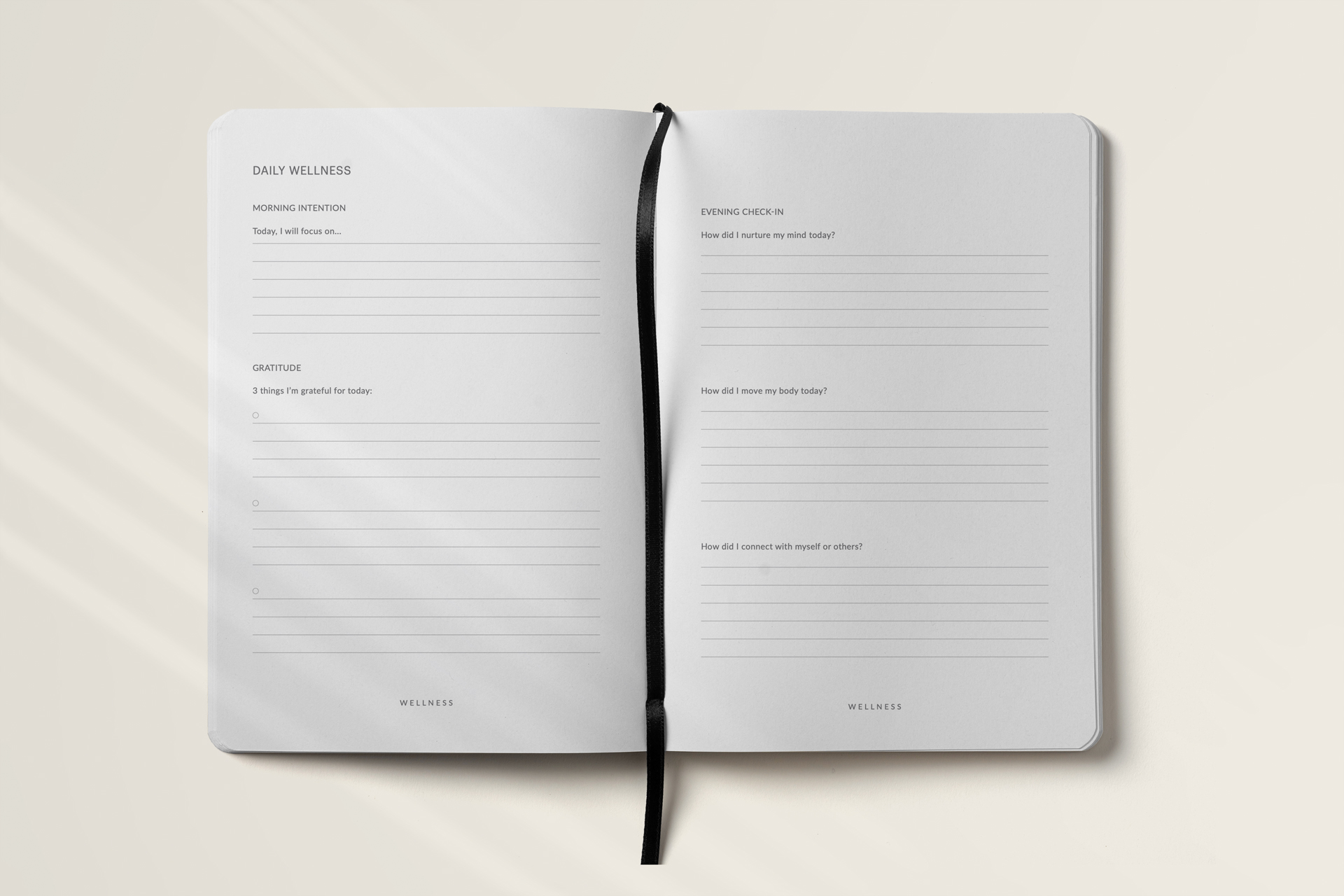
- Inside pages: Plain (lined/dot/grid/blank), partially printed (a short intro section), or fully designed interior.
- Format: Size, page count, binding style (casebound, perfect bound, etc.).
- Quantity and delivery date: Where it needs to arrive and when.
Step 2: UK and Europe vs Asia – how to choose
There are excellent manufacturers in both regions. The right decision comes down to how quickly you need to move, how complex the printing is, and how much you expect to iterate.
UK and Europe tends to suit you when:
- You want faster sampling cycles and tighter communication.
- You expect to refine the interior after feedback.
- You’re working towards a fixed deadline (events, campaigns, corporate gifting).
- You care a lot about consistent materials and finishing decisions across reprints.
This route is popular for early-stage brands because product development often needs one or two rounds of learning. A nearer factory makes that easier to manage.
Asia tends to suit you when:
- You’re planning higher volumes and can commit early.
- Your files are final and approved, including the interior.
- You have time for longer freight cycles and a longer planning horizon.
- You’re producing multiple components together (custom packaging alongside the notebook, multiple SKUs, boxed sets).
This route is often chosen for scale, once the product has proven demand and you’re optimising around unit cost at volume.
Step 3: Three common ways to create a custom printed journal
Option A: Off-the-shelf notebook + printed insert section
A practical starting point when you want something branded and useful, while keeping risk and complexity low. The notebook itself stays standard, and you add a printed section at the front or back. It’s common for corporate packs and for brands validating an idea before committing to full interiors.
Option B: Custom cover + standard interior
This is the “premium feel, simple inside” route. You invest in materials and finishing on the cover, then keep the inside as lined, dotted, grid, or blank. It works well when the notebook is intended to be versatile, and when you want to move quickly.
Option C: Fully custom interior printing
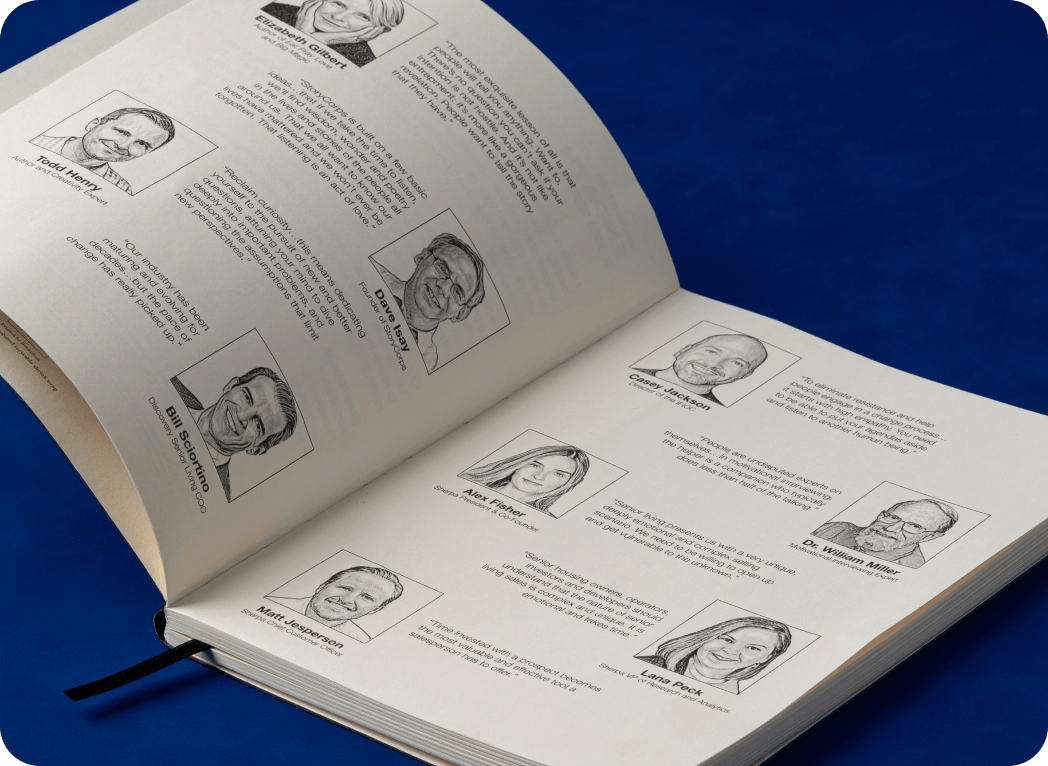
This is the full journal-brand product: designed layouts, templates, prompts, structured systems. It can be hugely effective, and it needs discipline. Interior design drives proofing time, page count rules, print complexity, and cost. If you’re doing multi-colour templates or daily spreads, plan for a proper proofing cycle.
Step 4: What to send when asking for quotes
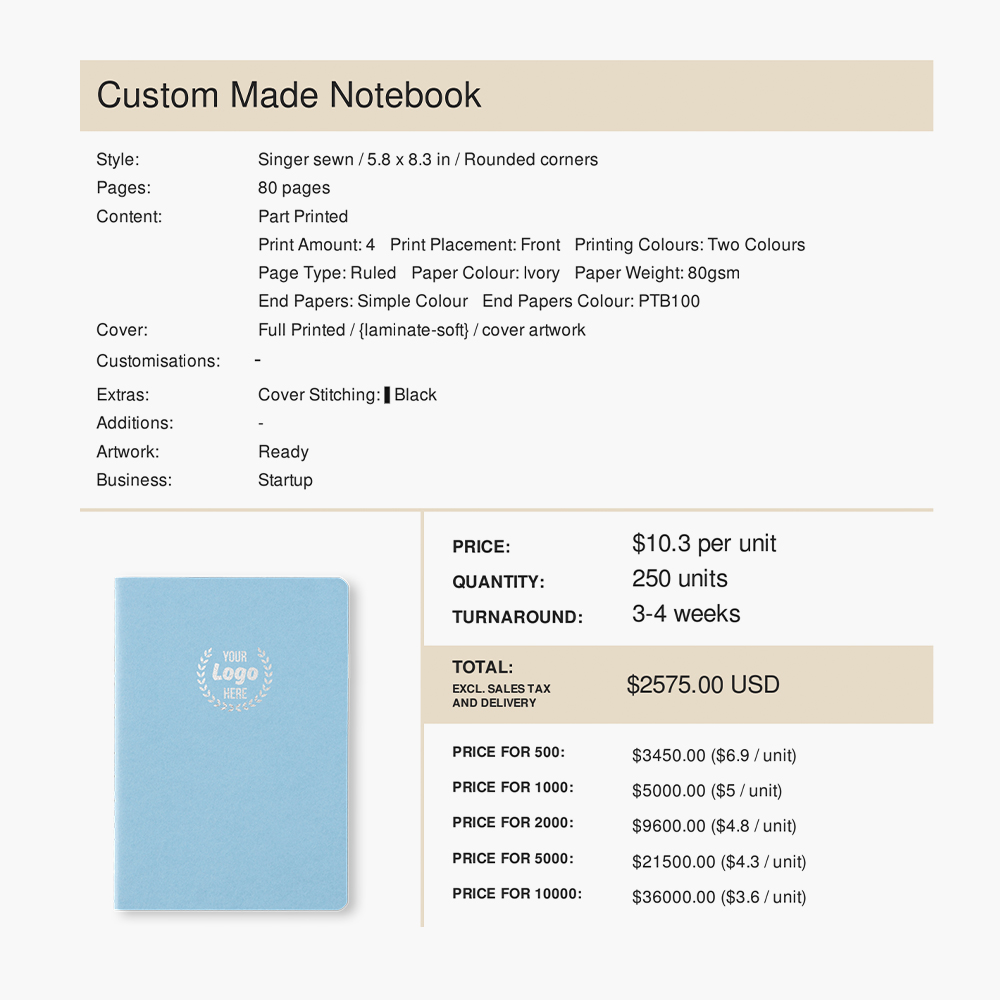
If you want accurate pricing quickly, send this in your first message:
- Quantity (now, plus a rough reorder quantity if it goes well)
- Size (A5/21 x 13/custom)
- Page count (final or estimated)
- Binding type (hardback/casebound, softcover, perfect bound)
- Interior spec (plain pages, partial insert, fully printed interior)
- Interior colour (1-colour, 2-colour, full colour)
- Cover spec (material + finish: foil/deboss/emboss/print)
- Delivery country + deadline
If you have a draft PDF of the interior and a rough cover visual, the quote becomes quicker and more reliable.
Step 5: Sampling – what “a sample” means
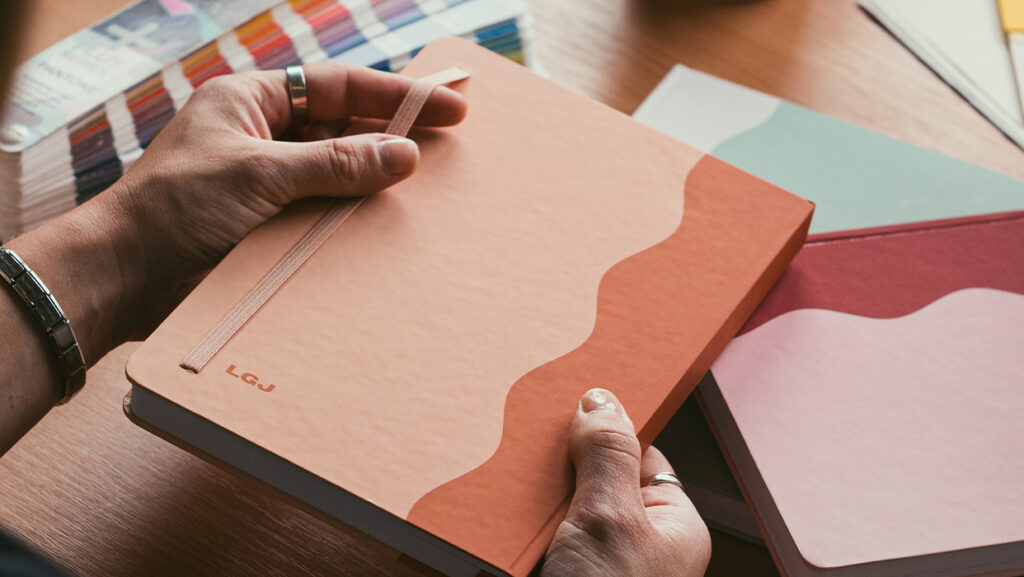
When someone says they want “one sample”, it can mean a few different things. The important part is matching the sample type to the decision you’re trying to make.
- Sample pack: off-the-shelf examples so you can feel materials, paper, finishes, sizes, and binding styles.
- Prototype of your exact product: your cover, your interior, your finishing. This costs more because it uses real setup and production steps.
- Partial proof: a focused proof of the risky part, such as foil stamping, one printed section of the interior, or an insert section.
If your project includes a designed interior or a specific finish that needs approval, sampling saves money later. It catches issues before you scale them.
Step 6: The trade-offs that drive cost, quality, and timelines
A few areas tend to have the biggest impact:
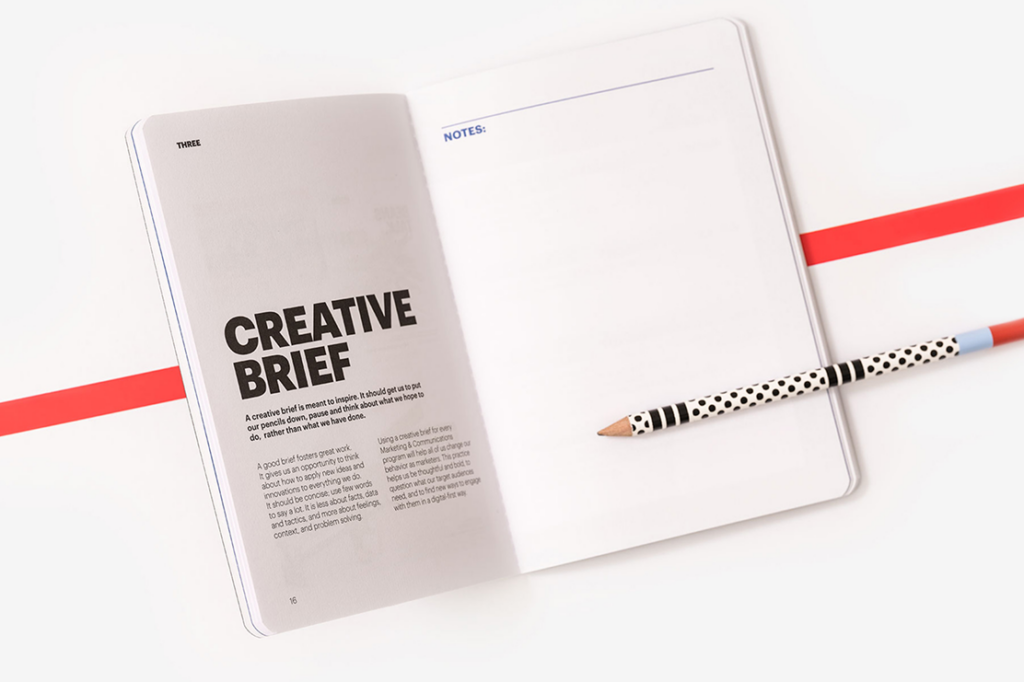
- Interior print style: single-colour interiors stay clean and cost-effective; two-colour works well for templates; full colour is powerful when the product needs design impact and margins support it.
- Page count: page count affects unit cost, spine width, shipping weight, fulfilment cost, and lead time. Many projects become expensive because the interior grows without editing.
- Cover finishes: foil, deboss, emboss, special materials and packaging add perceived value quickly, and they add setup and proofing requirements as well.
Reorders: your first run is rarely your last. The best manufacturing route is the one that supports clean reprints and consistency.
Step 7: A checklist for choosing a manufacturer
Ask questions that map to your actual risks:
- Can you show examples of printed interiors, not just covers?
- What does your proofing process look like and what gets signed off?
- How do you handle colour management across reprints?
- What’s your MOQ for this spec and why?
- What paper do you recommend for writing, including opacity and pen friendliness?
- What are the lead times for sampling, production, and shipping?
- Can you support storage or fulfilment if needed?