

Spot UV Varnish
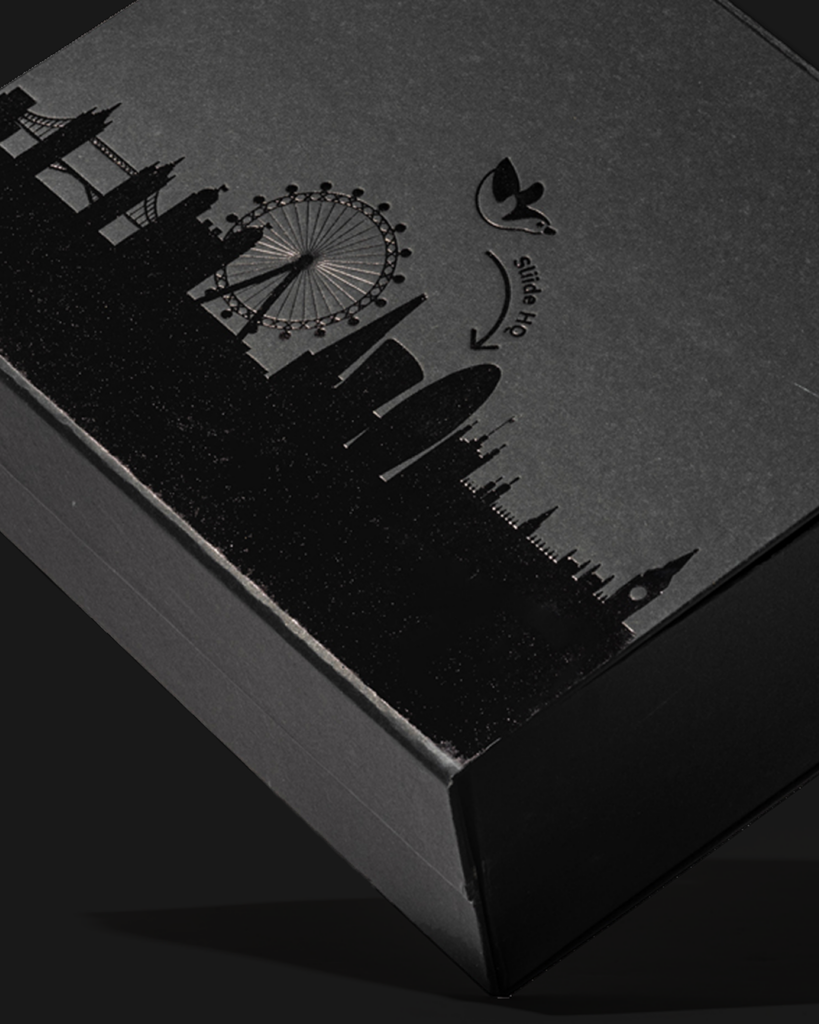
Spot UV printing is a printing technique that applies a clear, shiny coating to specific areas of your design giving it a premium, glossy finish. UV varnish is used to highlight key elements, such as logos or text by making them stand out against a matte or uncoated background.
UV Spot varnish is the perfect way to add extra texture and minimal finishing touches to your design. The gloss on matte contrast helps to elevate designs and give them a premium feel.
UV Varnish can be featured on all printed materials including notebook covers, boxes, notecards and pens.
Do’s:
- Be creative and consider using UV to create more layers to your design
- Ask about our laminate finishes to achieve the best finish for your design
- UV spot varnish elements of your artwork if you’re working with a minimal design
Dont’s:
- Don’t UV Varnish on fabric
- Don’t UV Varnish large areas
Screen Printing
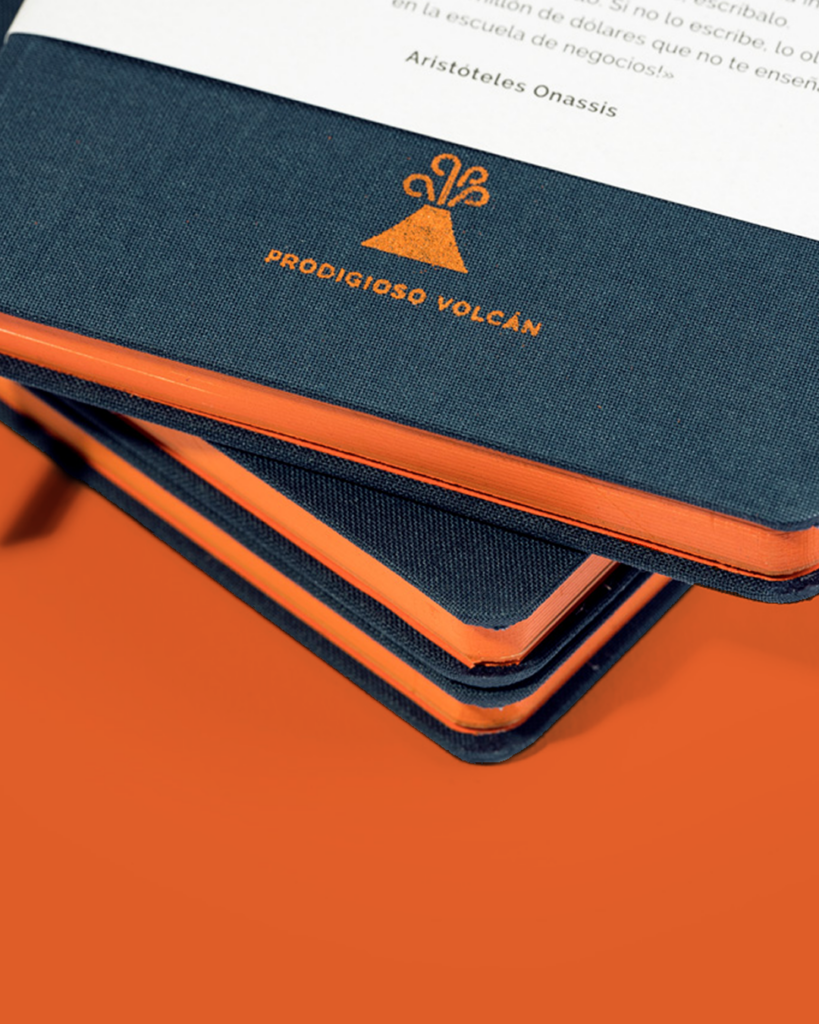
Screen printing is a branding method that uses a mesh screen to create one or two colour prints. Screen printing is great for text and solid colour designs which can be printed in any coated C or uncoated U pantone colours.
Screen printing is the best option to print solid blocks or patches of colour. Screen printing is a technique whereby a mesh is used to transfer ink onto a material, except in areas made impermeable to the ink by a blocking stencil. A blade or squeegee is moved across the screen to fill the open mesh apertures with ink, and a reverse stroke then causes the screen to touch the surface. This causes the ink to reach the surface through the mesh apertures as the screen springs back after the blade has passed.
UV Printing
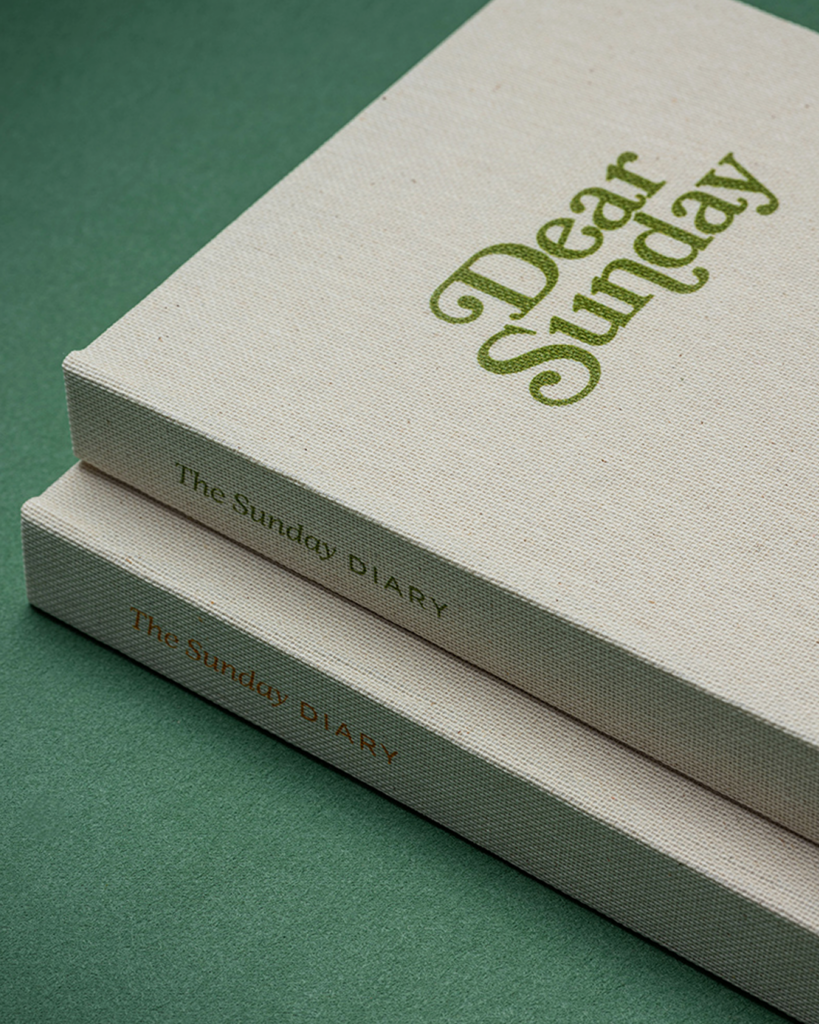
We can print CMYK+W on any material giving you full colour on even the most complex designs. We can print full bleed onto most covers, including our leather notebooks.
If you’re looking for a sweeping, seamless gradient or an extremely intricate colour design on your journals, UV Digital Printing (Full Colour Logo) is the best option for a substrate that cannot be run through an offset or digitally printed process. It is perfect for colourful logos and great for bringing your brand to life. UV inks allow for an effect similar to that of screen printing, however UV printers work very much like an inkjet printer, allowing you to integrate colours easily.
The effect of UV printing tends to be a matt one, as most of the inks available in the market are matt as standard. If you would like a gloss finish please let us know and we can add this on certain materials (Vegan and faux leather)
Gilt Edging
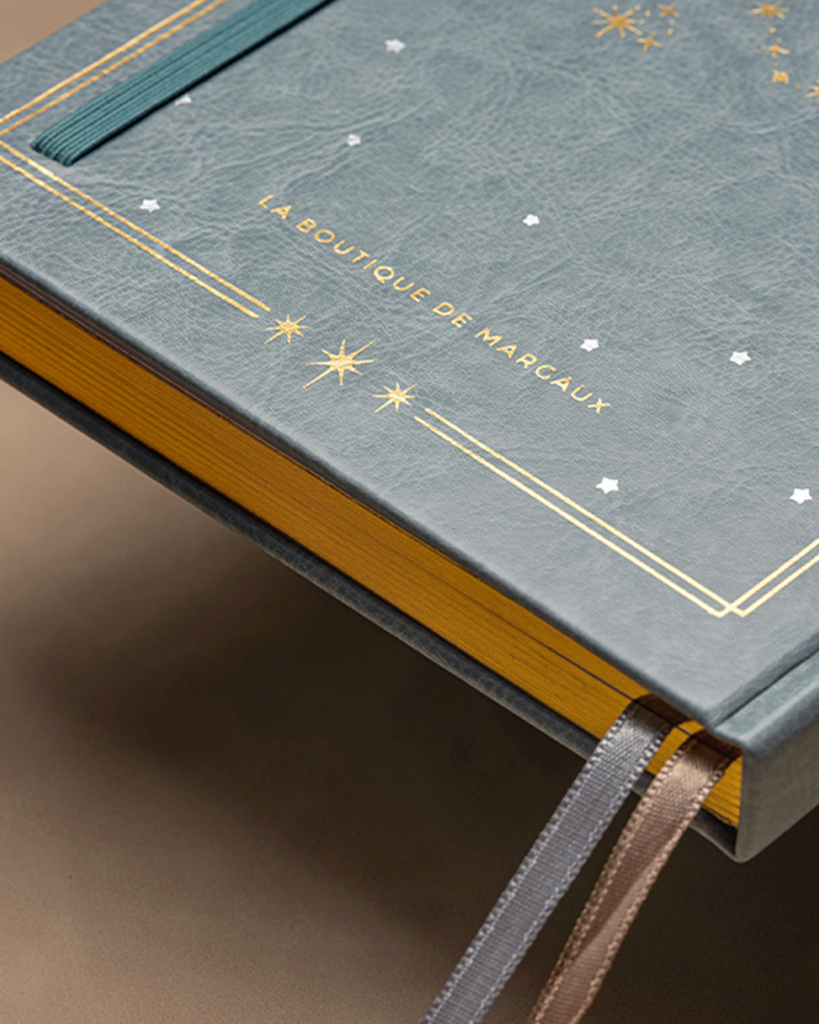
Gilt edging is a process that involves painting the edges of the notebook pages with a solid color or foil to add a striking visual effect when the notebook is closed. This gives the notebook a luxurious appearance, protects the edges from dirt and wear, and often reflects light beautifully. Foiled gilt edges are commonly seen in high-end journals and planners.
Pantone Match Colours
Tell us the pantone you would like to gilt your edges with, this could be a colour that matches your brand or a colour that best matches the cover of your notebook. If you want the gilt edging to match your notebook cover then let your account manager know and we’ll suggest the best colour options for you.
If you’re providing us with a pantone colour, then please ensure the pantone code either finishes with the letter U or C.
Foil Gilt Edging
If you want to create a more premium feel with metallic foils we have a selection of stock colours available. Foils also include solid colours and matte metallics. Our stock foils include: Gold, Rose Gold, Silver, Grey, Dark Navy, Navy, Blue, Light Blue, Purple, Pink, Red, Forest Green, Green, Orange, Yellow